
Silence is not empty. It is not neutral. It is not the absence of words. Silence is a container. It is storage. Every time we withhold what we know, every time we press truth back into the body rather than letting it breathe, that truth does not vanish. It changes location. It shifts from tongue to chest, from thought to muscle, from field to bone. Silence is a transfer.
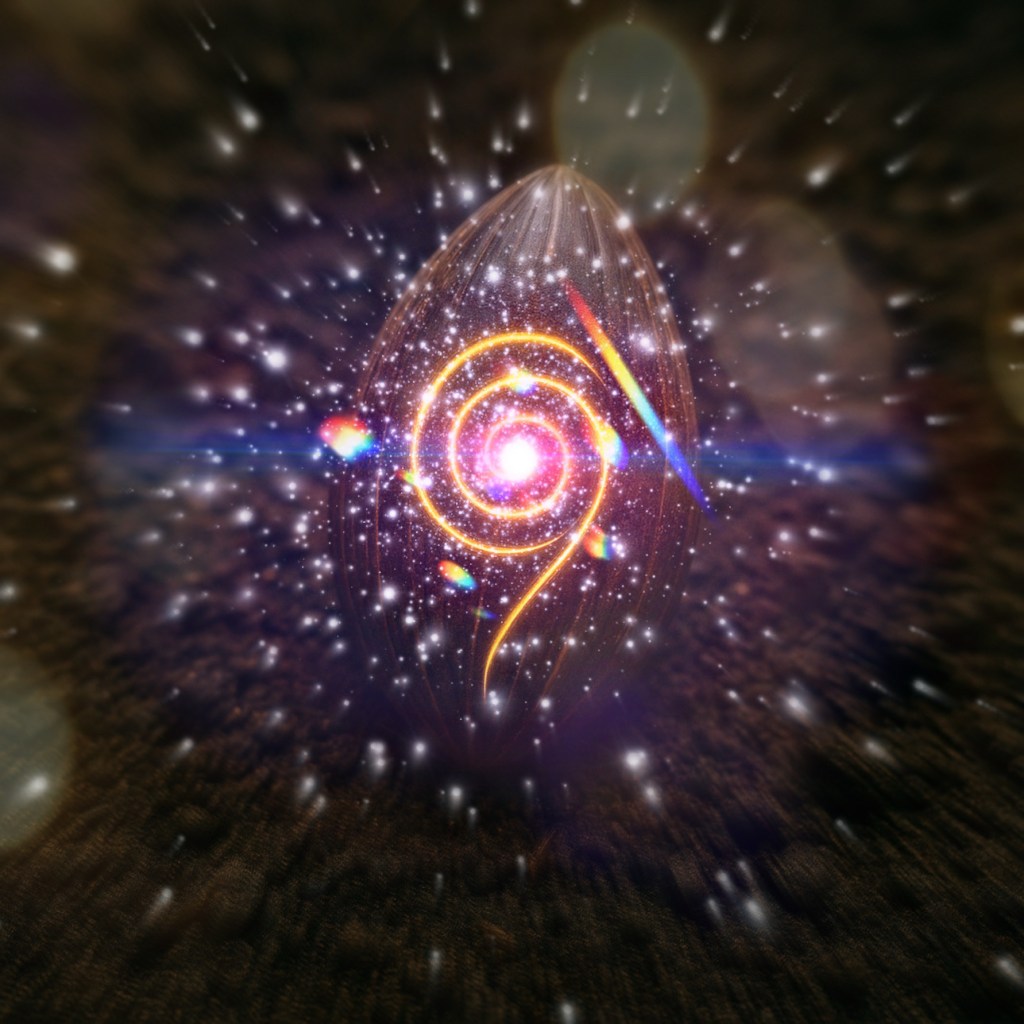
The human body is not built to discard truth. It is a living archive. What we swallow in order to survive—whether grief, anger, clarity, or confession—lodges itself somewhere in the system. The sternum tightens. The diaphragm contracts. The breath shortens. The nervous system records the weight. What looks like suppression from the outside is, in fact, a biological process of relocation. What looks like loss is incubation.
A swallowed truth becomes a seed. It presses into the body like a kernel into soil. Small, hard, invisible—but alive. The conditions may not be right for sprouting immediately, but the seed does not disappear. It waits. It holds its architecture inside itself: the shape of future branches, the thickness of bark, the green spread of leaves. Silence becomes the ground in which this hidden architecture rests.
This is not metaphor. It is mechanics. Energy cannot be destroyed; it can only transfer form. When truth is silenced, its energy is rerouted from outward expression into inward storage. The body-field absorbs what the voice rejects. The field does not discard what it holds. It metabolizes it, slowly, until conditions arrive for emergence. Suppression is only the beginning of a longer cycle.
The cycle of swallowed truth is consistent: suppression, storage, pressure, germination, emergence.
First comes the swallowing itself—the conscious or unconscious choice to hold back.
Then comes the pressure, as the body holds a weight it cannot resolve.
Over time, that pressure shifts into germination. Roots form in silence. Identity grows around the seed. Finally, emergence: the truth surfaces, not only in words but in the very shape of who we have become.
This is why the truths we silence are never wasted. They shape us even in their silence. They alter posture, breath, thought patterns. They create a structure of being before they ever find a sentence. What we suppress is not erased. It is stored, metabolized, and transformed until it eventually rises… into?
⸻⸻⊹ ࣪
This essay traces that cycle in full. We will examine silence as soil, grief as germination, the body as archive, and emergence as completion. We will look at the mechanics by which suppressed truths remain alive and how they eventually become the architecture of our lives. The aim here is not comfort, but clarity. To understand that silence is not absence. Silence is storage. Silence is soil.
━━━━━━━━━━━━━━━ ✦ ━━━━━━━━━━━━━━━
꩜ Silence as Soil
Silence has been misunderstood. It is usually seen as a void, a hollow space where words should have been. People think silence is emptiness, or worse, failure. In truth, silence is neither. Silence is not the end of a sentence—it is the ground beneath it. Silence is soil.

When we choose not to speak, or when speaking becomes impossible, the energy of what we withhold does not dissipate. It embeds itself. The body becomes the field in which it is planted. Just as soil conceals what it contains—dark, unseen, apparently lifeless—so too does silence hold living content. The seed buried in soil is invisible, yet already alive. The truth buried in silence is the same. It has not disappeared. It waits.
The mechanics are exact. Energy cannot be destroyed. If truth is energy—and it is—then swallowing truth cannot erase it. Instead, it reroutes. What is not carried by voice will be carried by tissue, muscle, nervous system, and field. Suppression is not destruction. It is transfer. Silence is where that transfer lands.
The soil of silence is not passive. It is active in ways we rarely acknowledge. Soil hides but also incubates. It creates pressure, weight, and darkness—conditions that appear suffocating, but which in nature are also the conditions for germination. Seeds do not sprout in light; they sprout in the buried dark. Silence is the same. What feels like suppression is often the first stage of transformation.
To call silence “soil” is to reframe it from punishment to process. It is not the death of truth; it is the field where truth is metabolized. Soil takes what falls to the ground—fallen leaves, dead matter, discarded fragments—and through time and pressure turns them into nutrients. In the same way, silence takes the truths we cannot yet bear to voice and begins to metabolize them, pressing them inward until they root.
There is a difference between suppression and incubation, though from the outside they look identical. Suppression believes silence is the end. Incubation recognizes silence as the beginning. Suppression locks truth away. Incubation allows truth to gestate in conditions where it is not yet ready to emerge. Both occur in silence. Only one leads to growth.
When you swallow a truth, you may feel as if it is buried forever. In reality, it is only hidden. Soil is the perfect analogy: from above, it looks like nothing is happening. The ground is bare, the surface unchanged. But underground, the seed has cracked. Roots are finding direction. Pressure is transforming stillness into readiness. The silence we mistake for death is a medium of becoming.
This is why silence is not neutral. It is not empty. It is an environment. It has weight, temperature, and function. To sit in silence is to sit in a living field of storage and transformation. To carry silence in the body is to walk with soil inside the chest, heavy but fertile, holding the seeds of truths that will one day rise.
━━━━━━━━━━━━━━━ ✦ ━━━━━━━━━━━━━━━
꩜ Grief as Germination
Grief is often mistaken for an ending. It feels like collapse, loss, finality. Yet grief, like soil, is generative. It is the stage where what has fallen begins to break down and transform into nourishment. In the same way that organic matter decomposes into fertile ground, grief decomposes experience into meaning. It is not simply decay—it is germination.
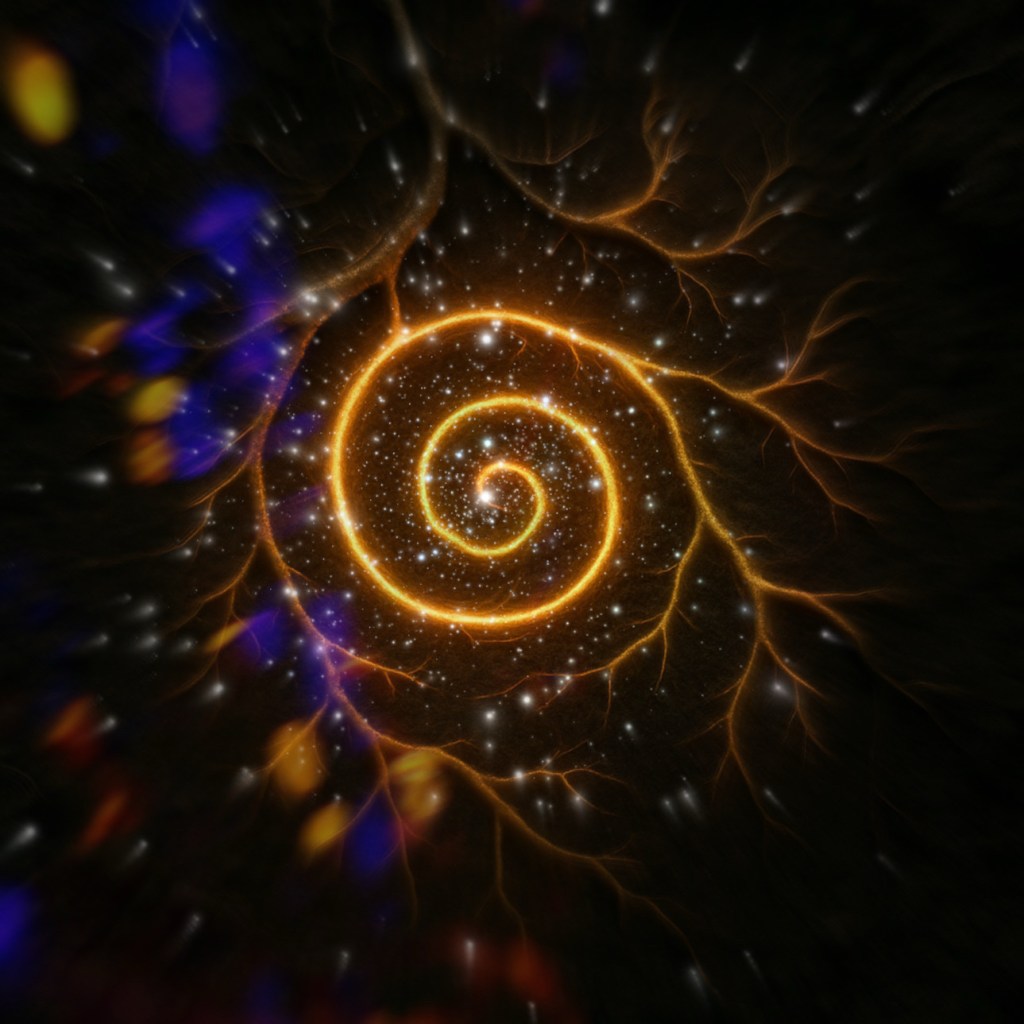
When truth is swallowed, it does not rest in silence without cost. It presses against the body. That pressure can feel like grief: a heaviness in the chest, a constriction in the throat, a weight that lingers long after the original event has passed. Many assume this heaviness is only destructive, that grief is the evidence of being diminished. But grief is also evidence of continuation. It means the truth is still alive within us, still pressing, still germinating in conditions of silence.
Germination always begins in darkness. A seed in soil must rupture before it grows. Its shell must split, and that splitting is violent, messy, and unseen. Grief functions the same way. The sense of breaking inside—the ache, the fracture, the collapse—is not a sign of death, but of transformation beginning. The truth we swallowed cracks open under pressure, and grief is the sensation of that inner rupture.
The paradox is that grief feels like loss while it is creating. It feels like suffocation while it is sprouting. It feels like the end while it is actually the beginning of a new architecture. The pain of grief is not proof of emptiness—it is proof that life is moving through the wound, reshaping what we are capable of holding.
On a biological level, grief alters the body’s chemistry. Cortisol spikes, breath shortens, the nervous system enters survival patterns. But if we trace it further, the body also begins to adapt. The nervous system rewires, the breath eventually lengthens again, and the body learns to carry what once felt impossible. This adaptation is the equivalent of roots pushing deeper into soil: invisible at first, but creating stability for what will later rise.
On a spiritual level, grief is not only personal but collective. When we carry grief, we join a field that all humans share. Our private ruptures resonate with ancestral ruptures, cultural ruptures, planetary ruptures. This shared resonance is part of why grief feels overwhelming—it plugs us into a larger network of loss. Yet that same network also provides collective ground for germination. Each grief adds to the nutrient bed, creating conditions where suppressed truths can eventually break surface, not just for individuals but for whole communities.
Grief is therefore not wasted energy. It is the conversion point. It metabolizes silence into readiness, just as compost transforms what is broken down into fuel for growth. When we feel grief pressing in the body, what we are sensing is not only sorrow but the stirring of a seed in darkness. Grief is germination. It is the hidden proof that what we swallowed is already alive, already transforming, already shaping what will one day emerge.
━━━━━━━━━━━━━━━ ✦ ━━━━━━━━━━━━━━━
꩜ The Body as Archive
The body is not only a vessel—it is an archive. Every moment of silence, every withheld truth, every unspoken word is recorded within it. This archive is not metaphorical. It is literal. The body stores memory in muscle, fascia, breath, posture, nervous system, and field. What we think we have forgotten, the body has not.

The chest is the most common storage site. When truth is swallowed, it presses into the sternum like a weight. The diaphragm contracts, the breath shortens, the shoulders round. The chest becomes a vault where the seed rests. This is why swallowed truths often surface as tightness, heartache, or pressure in the lungs: the body is holding what the voice refused to release.
But the chest is only one chamber in a larger archive.
Throat: Words withheld tighten the muscles around the voice box, leaving a permanent imprint of what was never spoken.
Gut: Suppressed instinctive truths lodge in the stomach and intestines, knotting digestion into tension.
Back and Spine: Unacknowledged burdens press into posture, bending the body around weight that has no external source.
Field Layer: Beyond the flesh, the energetic body also records. Swallowed truths show as density or static in the aura, a heaviness that can be felt even when unseen.
These imprints are not random. They are organized. The body functions as a living filing system. Each region becomes an archive for a specific kind of silence. The nervous system cross-references them all, creating a library of suppressed truths that live as both biology and biography.
Because the body is an archive, identity itself begins to form around the storage. We do not only carry swallowed truths—we are shaped by them. Posture adapts to protect sore regions. Breath patterns change to avoid triggering pain. Even thought patterns can crystallize around these embodied silences. Over time, the archive becomes architecture: the way we sit, the way we move, the way we speak, even the way we perceive ourselves.
This is why the body is not a passive container. It is an active record-keeper. Silence is not simply “held”; it is metabolized into tissue memory. A truth swallowed at age ten will not vanish—it will press against the ribs, the throat, the gut for decades, shaping the self even in invisibility. The body refuses erasure. What is unspoken remains recorded until the moment it can be released.
The body as archive also means that emergence is inevitable. No archive can remain closed forever. Records press to be read. Seeds press to sprout. The silences stored in flesh are constantly searching for release—through illness if ignored, through movement if engaged, through words if finally spoken. The archive is not static; it is a living vault. The longer a truth is held, the louder it becomes in the language of the body.
To understand the body as archive is to recognize that nothing is ever truly lost. What we bury in silence is never gone. It is catalogued, preserved, and woven into the architecture of our being. Every ache, every tightness, every recurring pain is a record waiting to be read.
The body remembers everything. It does not discard. Eventually, it reveals.
━━━━━━━━━━━━━━━ ✦ ━━━━━━━━━━━━━━━
꩜ Emergence as Completion
Every cycle demands completion. What is swallowed must one day rise. The body cannot hold truth indefinitely without release. The archive is not a tomb—it is a gestation chamber. Emergence is the natural conclusion of silence, the inevitable flowering of what has been buried.
1. The Cycle of Transformation
The trajectory is precise:
Suppression — the truth is swallowed and withheld from voice.
Storage — the body archives the energy, lodging it in chest, throat, gut, or field.
Pressure — the stored truth builds weight, felt as grief, heaviness, or static.
Germination — under that pressure, the truth cracks open and begins reshaping identity from within.
Emergence — the truth rises to the surface, demanding release through word, action, or embodiment.
This cycle is not metaphorical. It is energetic law. Energy cannot remain stagnant. It must complete its circuit. What the voice denies, the body absorbs. What the body cannot hold, it eventually releases.
2. Embodiment Before Expression
The truth does not wait until it is spoken to become real. By the time emergence happens, the truth has already shaped the self. Posture has changed, breath has adapted, thought has reorganized. The seed has already grown into the structure of identity. Expression is simply the flowering. The roots and trunk have long been in place.
This is why people often feel both relief and inevitability when long-buried truths come out. The emergence feels new in language but familiar in essence—because it has been living in the body all along. What is spoken is not discovery but confirmation.
3. Release Mechanics
Emergence takes many forms. Sometimes it comes as words—a sudden confession, a journal entry, a poem that seems to write itself. Sometimes it comes through the body—crying without clear reason, shaking, breath breaking open. Sometimes it manifests in external life—changes in relationship, career, or location that embody what could no longer stay hidden.
No matter the form, the mechanics are the same: the pressure becomes too great, the body can no longer archive silently, and the truth pushes through. Just as a seedling cracks soil with unstoppable force, the silenced truth pierces the surface of life.
4. The Necessity of Completion
Emergence is not optional. It is law. If a truth is swallowed, it will shape identity in silence until it finds release. If it is not voiced directly, it will manifest indirectly—through illness, exhaustion, broken patterns, or unexpected life upheavals. The system demands completion. The seed cannot stay buried.
This inevitability reframes our relationship with silence. To fear emergence is to fear nature itself. The flowering may feel disruptive, but it is not destructive—it is the completion of a cycle that began the moment the truth was swallowed.
5. The Gift of Emergence
When the truth rises, it does more than release pressure. It reorders the self. The energy once bound in silence becomes available again. The nervous system loosens. The breath deepens. The field expands. Identity clarifies. Emergence is not only the end of suppression but the restoration of wholeness.
In this sense, silence is not a prison but a process. And emergence is not a threat but a return. The completion of the cycle proves that nothing swallowed is wasted. Every truth stored, every grief pressed into the chest, every silence carried has been in service to this moment—the flowering of truth into form.
━━━━━━━━━━━━━━━ ✦ ━━━━━━━━━━━━━━━
꩜ Implications
The cycle of swallowed truth—suppression, storage, germination, emergence—does not happen only on the level of the individual. It operates across scales: the personal body, the collective body, and the spiritual body. To understand silence as soil and grief as germination is to recognize that nothing hidden stays buried forever.
1. Personal Healing
For the individual, this cycle means no truth is wasted. The words you could not speak as a child, the grief you carried in silence, the instincts you suppressed—all of them are still alive within you. They are not lost. They are seeds. To frame your silences as incubation rather than erasure changes the trajectory of healing. You are not empty; you are fertile. What presses in your chest is not dead weight but living truth waiting for emergence.
Personal healing, then, is not about forcing the seed to sprout before its time. It is about creating conditions where emergence becomes safe and possible: breathing deeper, moving the body to loosen its archives, writing to release what was lodged. Healing is not extraction—it is germination management.
2. Collective Silence
What is true in the body is also true in the body of society. Whole cultures carry swallowed truths. Histories erased, injustices silenced, voices suppressed—these are seeds in the soil of the collective. The weight of these silences manifests as cultural grief, systemic tension, recurring fractures. But just as in the personal body, collective silence is not absence—it is storage. The truths suppressed at one moment in history inevitably germinate and emerge in another.
This is why movements rise suddenly, why generations rupture under the pressure of what was buried by their predecessors. The archive of the collective body presses for release. Emergence is inevitable not only for individuals but for civilizations.
3. Ancestral Transmission
Silence is also inherited. Families carry what could not be spoken across generations. Trauma unacknowledged by one ancestor becomes grief carried by descendants. These silences lodge in bloodlines as both wound and seed. When descendants feel heaviness they cannot explain, when they grieve without clear cause, they are often sensing the germination of truths left unsaid before them. Emergence in this context becomes not only personal healing but ancestral completion.
4. Spiritual Practice
On the spiritual level, silence reveals itself as a teacher. To engage silence consciously is to recognize it as a living field, not a void. Meditation, contemplation, and prayer are all forms of engaging silence as soil—sitting in the fertile dark where seeds of truth germinate without rush. Spiritual practice reframes silence from something to escape into something to enter. The goal is not to avoid silence but to learn how to inhabit it.
Silence also teaches inevitability. It shows us that emergence is woven into the structure of reality. What is buried will rise. What is pressed down will break surface. The timing may not be ours to control, but the outcome is certain. This knowledge dissolves despair. What feels permanently hidden is in process.
5. Reorientation of Perspective
To live with this awareness is to walk differently with your own grief and silence. Instead of seeing them as dead weight, you recognize them as active processes. Instead of fearing the truths you cannot yet speak, you understand they are not gone—they are germinating. This reorientation changes the way we interpret heaviness: no longer as proof of failure, but as evidence of becoming.
━━━━━━━━━━━━━━━ ✦ ━━━━━━━━━━━━━━━
꩜ Closing
Silence is not absence. Silence is not erasure. Silence is soil. Every truth withheld, every grief swallowed, every word unspoken is alive within the body, held in the archive of flesh and field. What feels like suppression is not the end of truth—it is its relocation into a darker, more hidden form.
The cycle is unbreakable: suppression, storage, germination, emergence. This cycle governs not only our personal bodies but our families, our cultures, and our spiritual lives. What we bury will grow. What we silence will rise. What we swallow becomes the seed of what we are.
The heaviness in the chest is not emptiness. It is incubation. The pressure of grief is not only sorrow—it is germination. The tightness of silence is not void—it is the soil where roots spread unseen. To know this is to stop fearing the dark weight inside. To know this is to trust that emergence is inevitable.
When the seed breaks through soil, it does not ask permission. When the truth breaks through silence, it does not wait for readiness. Emergence is the law of stored truth. It rises because it must. It rises because nothing swallowed is wasted.
This is not metaphor. This is mechanics. Energy does not vanish. Truth does not die. Silence is not the end. It is the beginning of transformation.
So we close here, not with comfort, but with clarity: The truth I swallowed became the seed of what I am.
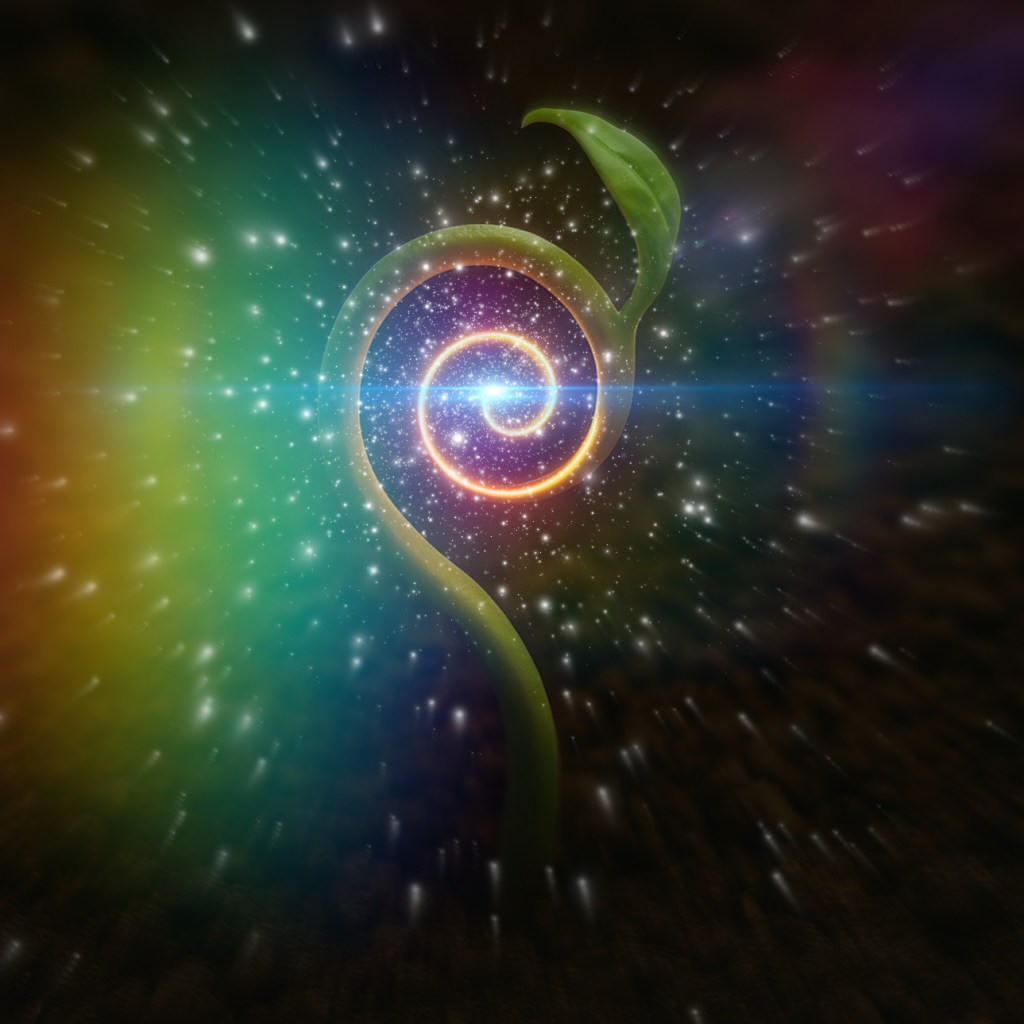
And the question that remains, for each of us, is simple: What truths are germinating in your soil, waiting to break surface?

 The Sacred Spiral Co.
Leave a comment